
WELCOME TO THE
HERMANUS BUSINESS CHAMBER
Moving With The Future
GREAT NEWS! NEW MEMBERSHIP SYSTEM
We have launched a new membership system. Your business information will be displayed on this page (for all active members) visible publicly. This system will also allow you to update your business info and manage your membership online.
To renew your membership and appear in this new business directory, please register and complete your details below.
WHAT’S HAPPENING IN HERMANUS
THE BEAUTIFUL NEW GATES ARE HERE FOR SWALLOW PARK!
 to Sunset
  every day, managed by HPP.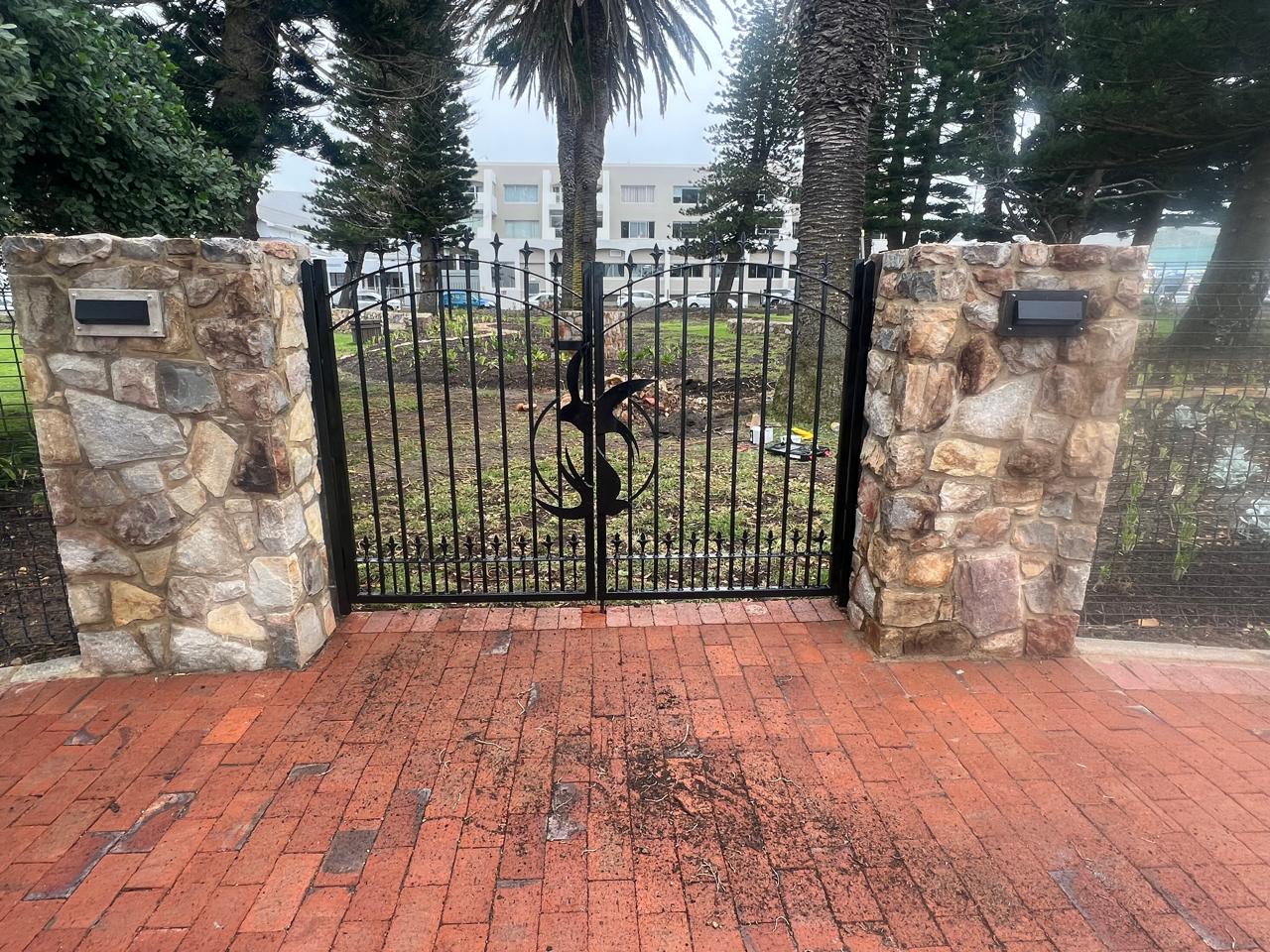
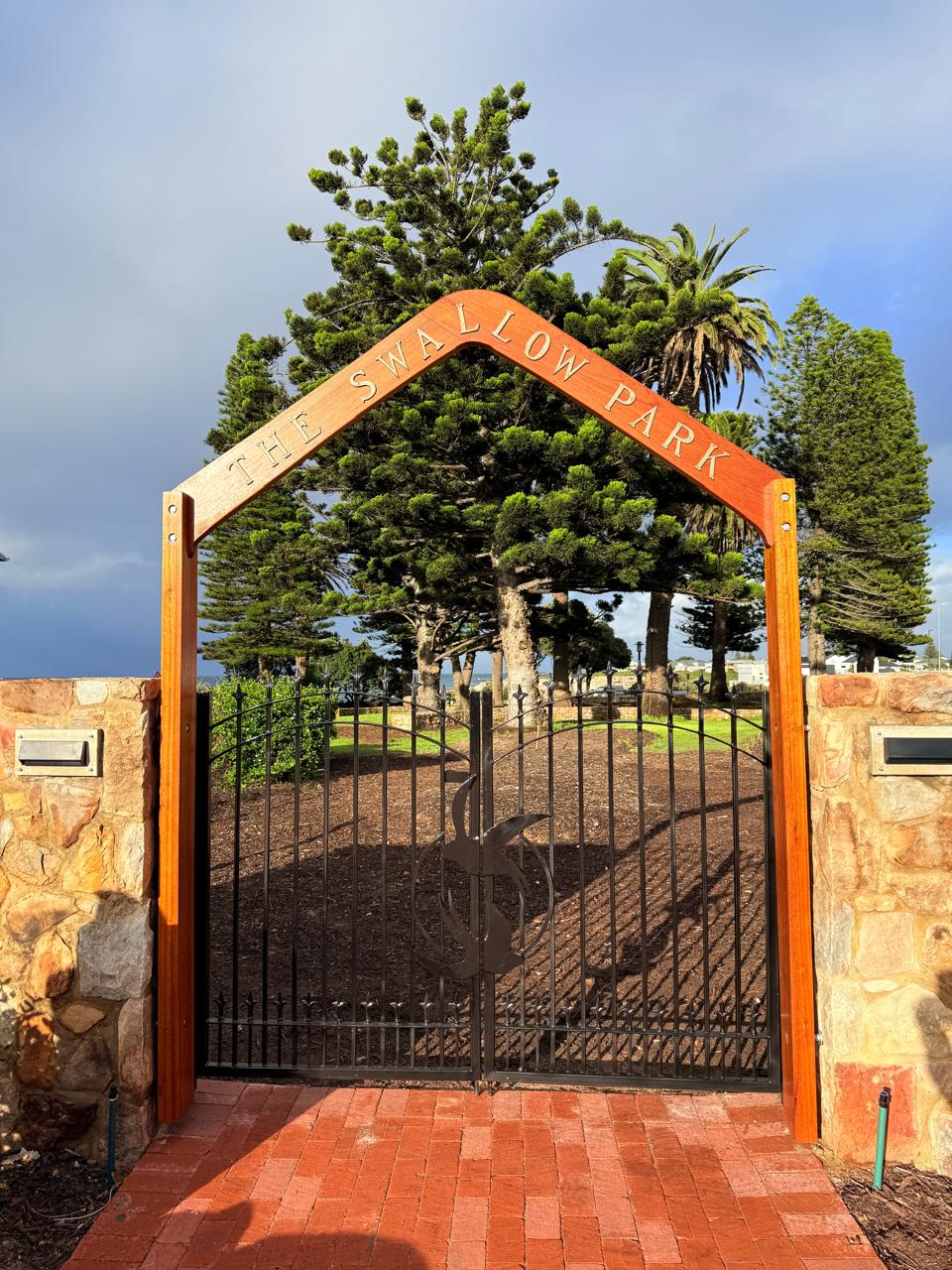
SWALLOW PARK – HISTORY
Where it is: Swallow Park is a small historic public park in Hermanus, a coastal town in the Western Cape, South Africa, overlooking Walker Bay. Hermanus is well-known for its whale-watching and scenic coastal paths.
🌿 Origins and creation
- Founder: The park was created in the early 1910s by Magdalena Jurina “Swallow” Neethling (1877–1953), a respected local teacher nicknamed Swallow because of the way she moved quickly and energetically.
- How the park began: As a young teacher in the early 1890s, Swallow walked past a neglected triangular piece of municipal land on her way to school. Around 1912 she successfully petitioned the local council to allow her to transform this waste land into a garden.
- Development: Swallow, often with help from a retired local man (Frikkie van Eeden), laid out flowerbeds and paths, planted trees and built rockeries. The garden was enclosed with a wooden fence and quickly became a beloved Victorian-style public space for residents.
🪴 Naming and early recognition
- The council eventually acknowledged her efforts by officially naming the space “Swallow Park” after her. It later took on municipal responsibility and two fountains were donated by the municipality.
🕰️ Changing fortunes over time
- Deterioration: Like many historic urban spaces, the park went through periods of neglect in the mid-20th century, especially during the 1940s and 1950s when it fell into disuse.
- Present day: Some historic features (like the original fountains) have disappeared, but elements such as the wooden entrance arch and paths remain as reminders of its heritage.
🌳 About Norfolk Pines (tree species often seen in parks like Swallow Park)
You also asked about Norfolk Pines in relation to Swallow Park — that likely refers to the trees that may be part of the park’s plantings rather than a separate historical site. Norfolk Island Pines (Araucaria heterophylla) are a distinctive evergreen tree native to Norfolk Island in the Pacific and have been widely planted in coastal towns around the world as ornamental and landmark trees due to their straight, symmetrical form and tolerance of sea spray and wind.
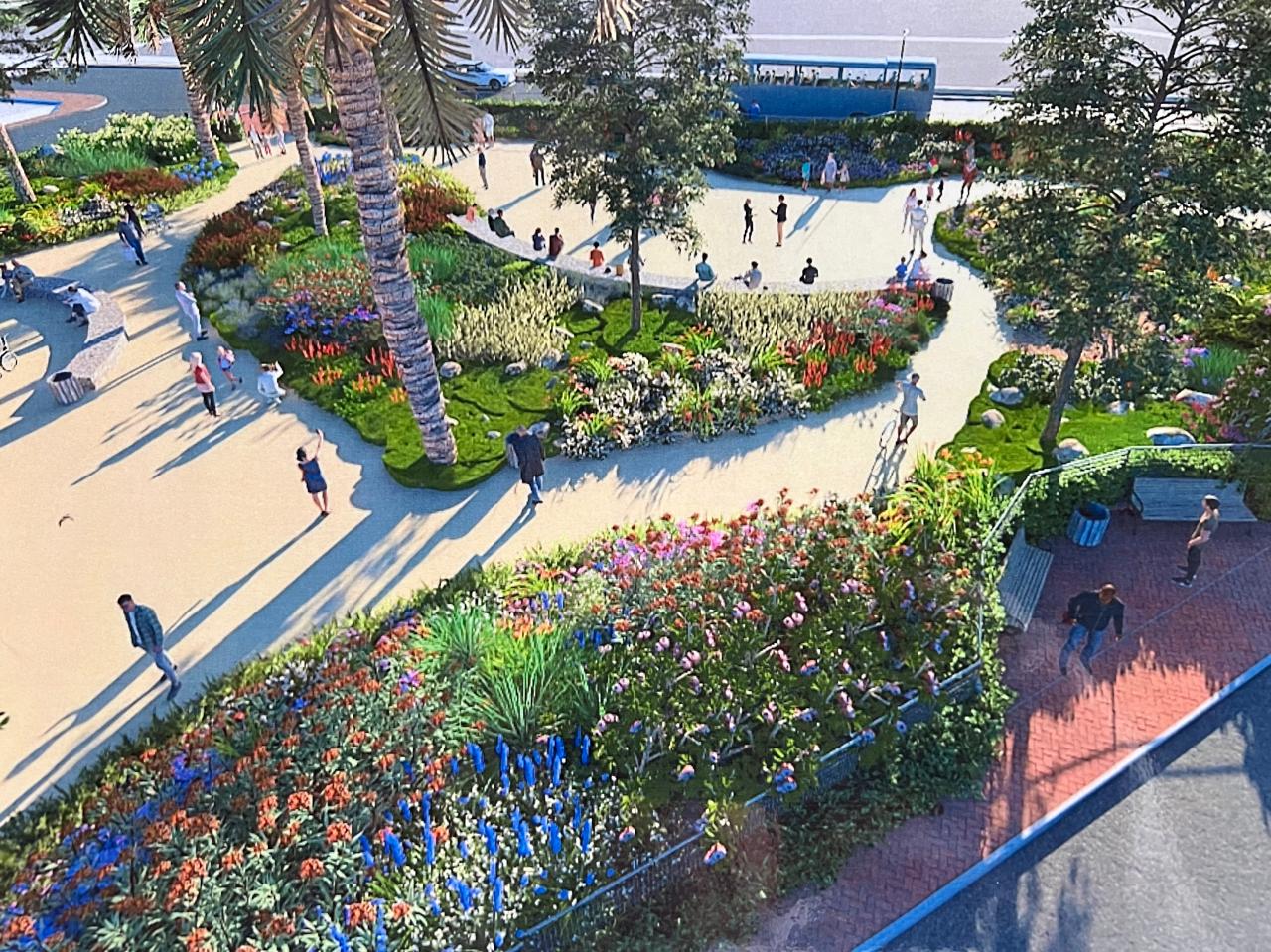
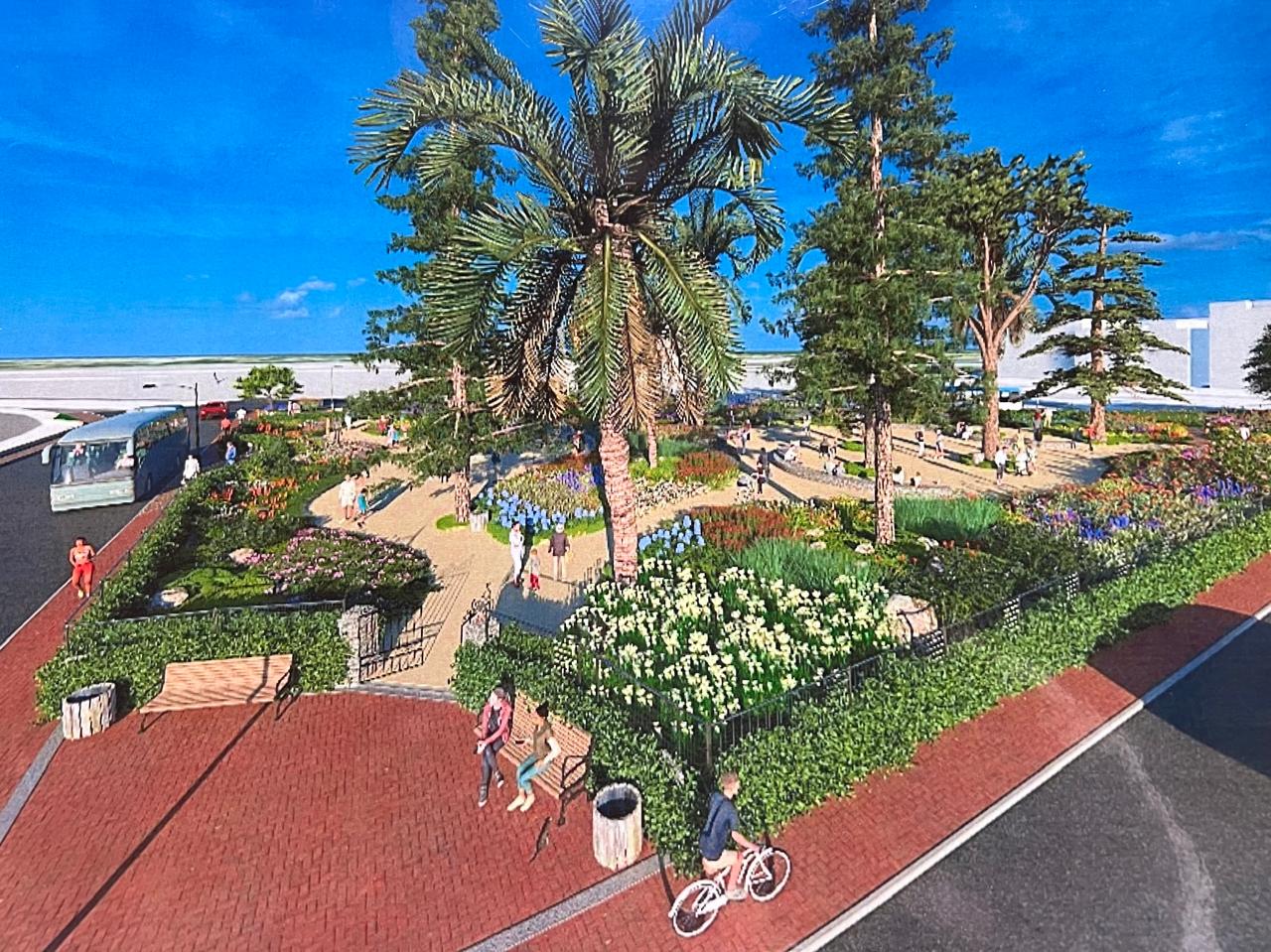
SWALLOW PARK REVIVAL 2026
🔄 Recent history and revitalisation
- Restoration efforts: In the early 2020s–2025, local community groups (like the Hermanus Business Chamber’s CBD Revitalisation Cluster and History Interest Group) have undertaken initiatives to revive Swallow Park as an attractive green and heritage space, including plans for improved landscaping, pathways, seating and a fynbos garden, as well as replacement of an old cliff path bridge.
- The park is now seen not just as a historical site but as a community and cultural asset linking key central Hermanus landmarks and public spaces.
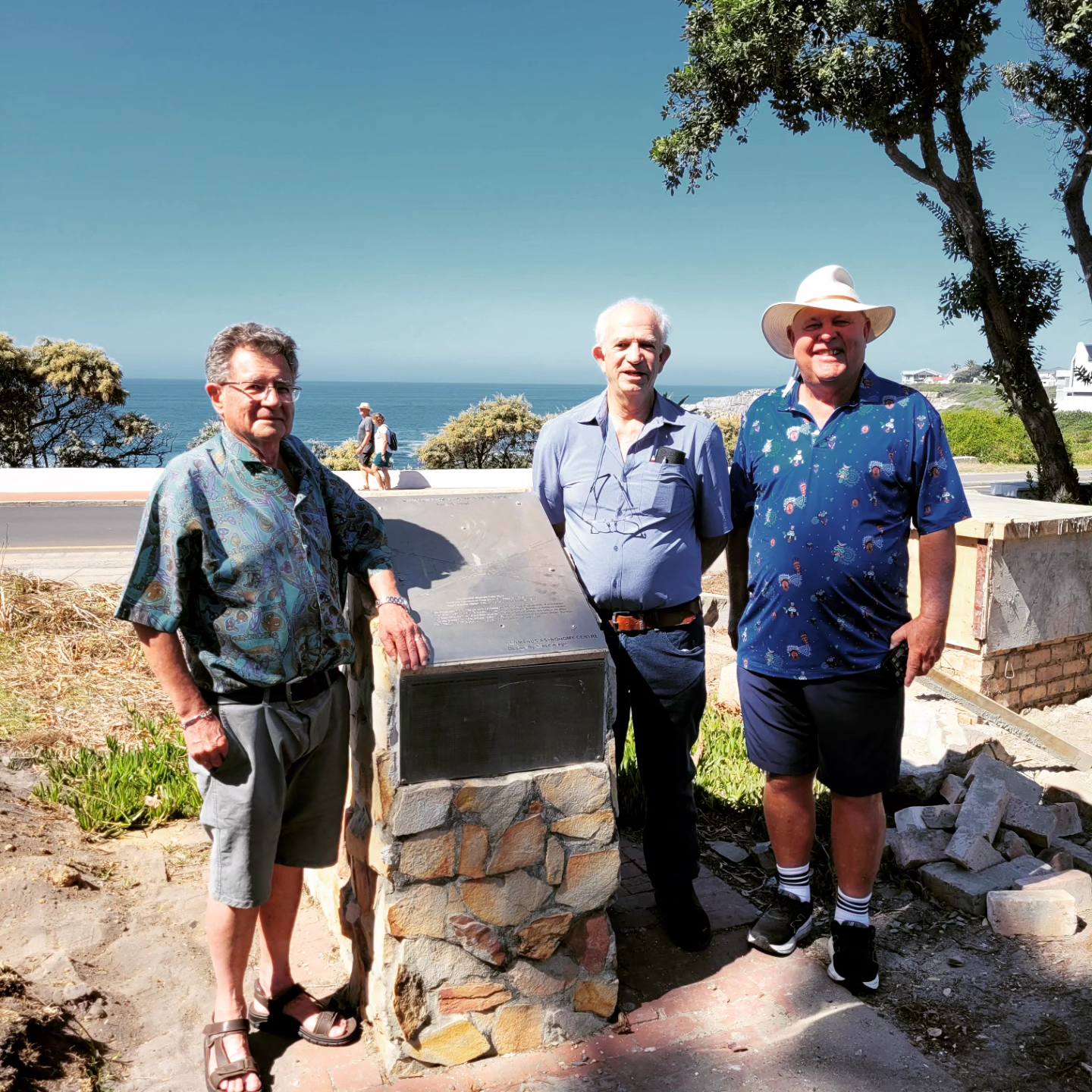
Productive meeting vibes!
On 30 Jan 2026, we had an inspiring meeting with Derek Duckitt (Chair) and Pierre de Villiers (Vice Chair) of the Hermanus Astronomy Centre to explore how we can continue celebrating the fascinating Swallow Park Solar Sundial together.
Did you know: The existing sundial in Swallow Park was installed in 2012 by the Hermanus Astronomy Centre, and it does more than just tell the time. It beautifully illustrates the Equation of Time, showing the difference between solar time and clock time.
As we revitalise the park, we’re excited to keep this special feature in place with improved circulation around it to enhance visitor interaction and learning.
Next time you’re in Swallow Park, seek out the sundial, pause for a moment, and discover how the sun keeps time.